Will the Next Internet Feel More Human Than Digital
The next era of the internet is already starting to feel less like “using a tool” and more like “being in a relationship” with a space that listens, adapts, and disappears into the background when not needed. The big question is whether this future of the web will feel more human than digital—or whether screens and systems will still dominate how people actually feel online.
Below is an internal look at where things are heading, what “human-centred internet” really means, and how teams like WebCastle can shape next-gen UX and evolving digital spaces in a practical, grounded way.
The Evolution of the Web
The web has grown more people-focused and less static over time.
- Web 1.0 was mainly one-way information.
- Web 2.0 brought interaction, social networks and platforms that controlled user data.
- Web 3.0 brings intelligence, decentralisation and context-awareness.
The next step is not about new buzzwords but about a better fit – a web that responds to human rhythms instead of forcing us to behave like machines: always present, always scrolling, always reacting.
What a Human-Centred Internet Really Means
Human-centred design started as a method and is now becoming an expectation. A “human-centred internet” borrows those principles and applies them at the ecosystem scale:
- People before features Start from needs, emotions, and constraints, not from technical possibilities.
- Respect cognitive load, time, and attention as limited resources.
Context-aware, not creepy
- Systems recognise preferences and context, then help quietly instead of aggressively pushing content.
- Users see what data is used, and why, in honest language.
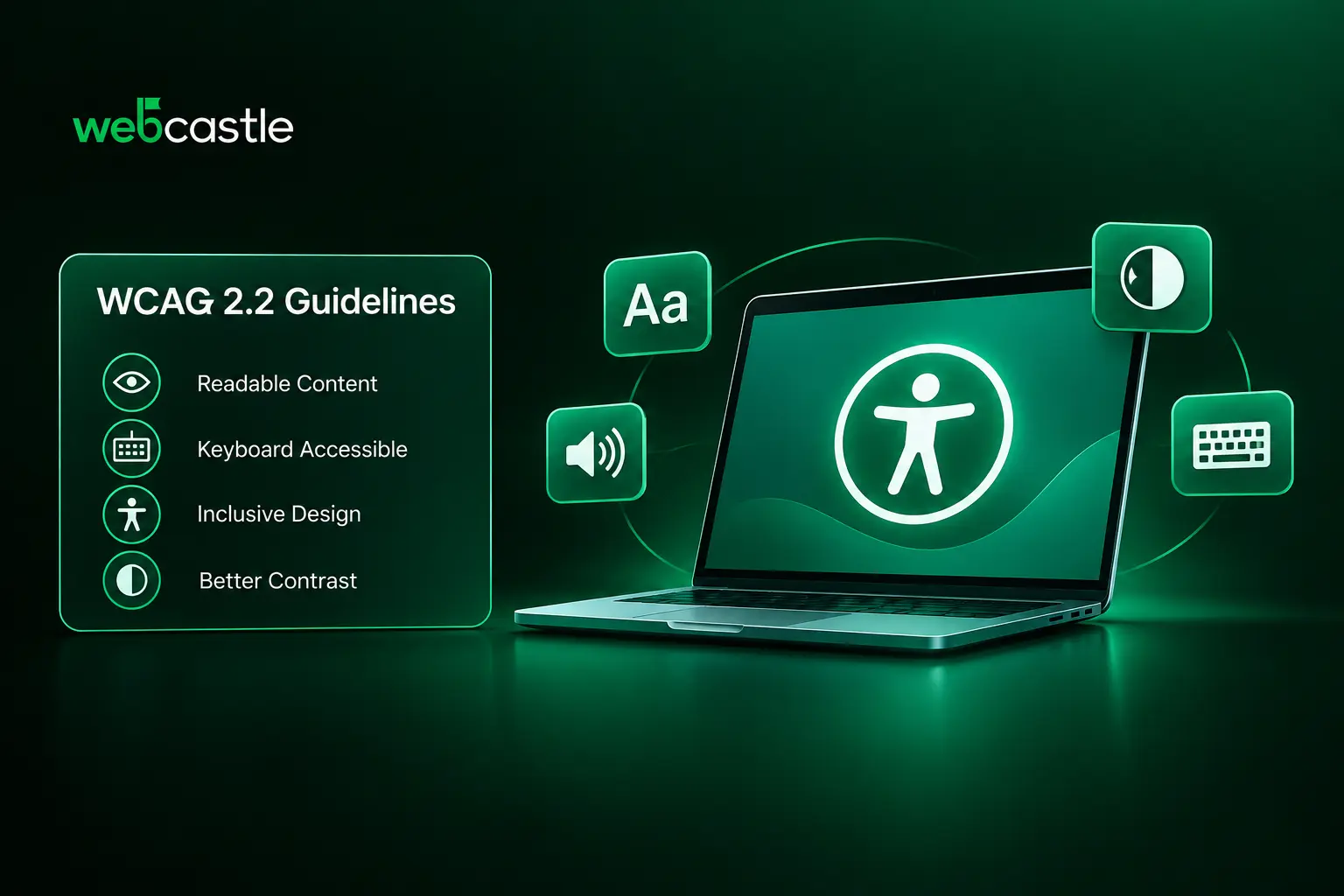
Inclusive and accessible by default
- Interfaces adapt to people – their abilities, devices, and environments. Use voice when your hands are busy, and type when you can’t speak.
- Accessibility isn’t a checkbox – it’s essential to good UX.
Trust and control built in
- Clear consent, portable identity, and transparent data handling become table stakes for serious products.
When these ideas are applied consistently, digital spaces begin to “feel” more human even though they are built from code and infrastructure.
Next‑Gen UX Trends Shaping that Future
Several UX and UI trends are quietly pushing the internet toward experiences that feel more natural and less obviously “digital”.
- AI-powered personalisation with guardrails Interfaces adjust layouts, content density, and recommendations in real time based on behaviour and intent.
- The difference now: ethical design and explainability are becoming part of the brief, not afterthoughts.
Immersive but selective digital spaces
- AR/VR, 3D elements, and spatial interfaces are used to create depth where it truly adds understanding (e.g., product exploration, learning).
- The emerging best practice: use immersion sparingly to support clarity, not to overwhelm.
Ethical, calm UX
- There is a growing shift away from dark patterns and engagement at any cost towards experiences that respect attention and mental health.
- “Calm technology” and “quiet UX” emphasise fewer notifications, clearer choices, and honest default settings.
Together, these trends push the next-gen web toward something that behaves more like a considerate colleague than a loud, needy app.
The Future of Digital Spaces: From Screens to Environments
As connectivity spreads across homes, vehicles, workplaces, and public spaces, the “future of the web” is less about websites and more about environments that happen to be digital.
Expect to see:
- Ambient experiences Services that “show up” at the right moment—navigation hints, health nudges, workflow shortcuts—then fade away when not needed.
Cross-device continuity
- Tasks that move smoothly from phone to laptop to TV to car without feeling like separate apps.
Richer collaboration spaces
- Hybrid work and learning tools that mix shared documents, spatial presence, and asynchronous communication into a single, coherent flow.
If done well, these evolving digital spaces will be noticed less for their interfaces and more for the way they quietly reduce friction in everyday life.
Where WebCastle Fits Into a More Human Web
For teams like WebCastle Tech, the opportunity is to translate these high‑level ideas into grounded, trustworthy products for clients who care about long‑term value, not just launches.
A human‑centred, next‑gen UX approach can show up in client work in very concrete ways:
- Designing websites and platforms that: Surface the right information first, not just the most visually impressive.
- Use AI-driven insights to help users complete tasks faster, but always offer clear manual control.
Building digital products that:
- They are accessible, inclusive, and localised for real audiences, not idealised personas.
- Treat privacy, security, and consent as core UX elements rather than hidden system details.
Partnering with clients to:
- Map real user journeys and pain points before deciding which technologies to apply.
- Evolve products over time as user behaviour, devices, and expectations change.
For organisations exploring the future of the web and evolving digital spaces, a team that can combine strategy, design, and engineering around human‑centred outcomes—like WebCastle Tech—becomes a long‑term ally rather than just a vendor.
Will the Next Internet Feel More Human than Digital?
That depends on the choices designers, developers, product owners, and clients make now. The technologies pushing us toward a human‑centred internet already exist; the real work lies in how carefully they are applied.
As you think about your own products, ask:
- Where are we still optimising for clicks instead of clarity?
- How can we return more control, context, and calm to our users?
- What would this look like if it were designed for someone tired, distracted, and not a perfect power user?
If you’re exploring a human-focused, next gen UX, now is the moment to rethink the foundations, not just the UI. Look at how teams like WebCastle approach modern web builds, then begin shaping a digital environment that feels more human than digital.
Ready to build more human digital experiences? Connect with WebCastle to get started.