Cybersecurity and ROI: Protecting Your Investments in Digital Transformation
In an era defined by digitalization and technological advancements, organizations across the globe are racing to embrace digital transformation. This wave of digitalization promises unparalleled efficiency, improved customer experiences, and increased profitability. However, amidst the excitement of this transformation, a lurking threat remains - cybersecurity vulnerabilities. This blog post delves into the critical intersection of cybersecurity and Return on Investment (ROI) in the context of digital transformation. We will explore why cybersecurity is integral to safeguarding your investments and how a proactive approach to security can bolster your ROI.
The Digital Transformation Imperative
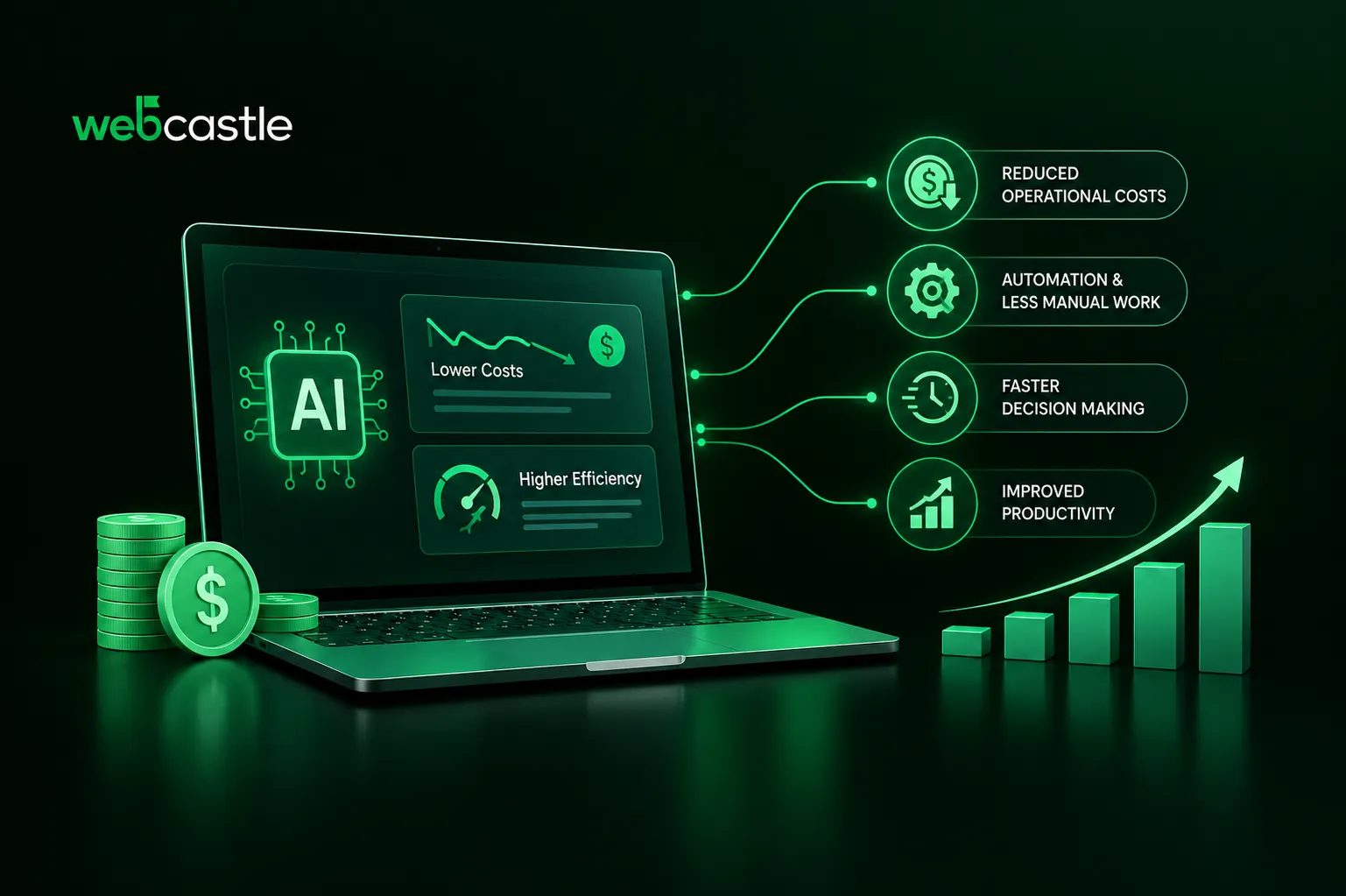
Digital transformation has become a business imperative, driven by evolving customer expectations and the need to stay competitive. It encompasses the integration of digital technology into all aspects of an organization, fundamentally altering how it operates and delivers value to customers. The benefits of digital transformation are vast and encompass improved operational efficiency, enhanced data analytics, streamlined customer experiences, and cost reductions.
However, the process of digital transformation introduces new challenges and risks. As organizations increasingly rely on technology and data, they become prime targets for cyberattacks. Cybercriminals are becoming more sophisticated, constantly devising new ways to infiltrate systems and steal sensitive information. This makes it crucial for organizations to prioritize cybersecurity as an integral part of their digital transformation strategy.
The Cost of Cybersecurity Incidents
Before we delve into the connection between cybersecurity and ROI, let's understand the financial impact of cybersecurity incidents. Cyberattacks can result in data breaches, system downtime, reputational damage, and legal consequences. These consequences can lead to direct and indirect financial losses.
Beyond the immediate financial impact, data breaches and cyberattacks can erode customer trust, leading to long-term revenue losses. Customers are less likely to do business with an organization that has suffered a data breach, which can result in customer churn and a damaged brand reputation. Therefore, the true cost of a cybersecurity incident extends far beyond the initial financial losses.
The ROI of Cybersecurity
To understand the ROI of cybersecurity, it's essential to shift the perspective from viewing cybersecurity as a cost center to recognizing it as an enabler of digital transformation. Here are key ways in which cybersecurity contributes to ROI:
Protecting Investments: Cybersecurity safeguards your digital assets and technology infrastructure. It ensures that your investments in digital transformation remain secure from cyber threats, preventing potential losses that could derail your ROI.
Maintaining Business Continuity: Cybersecurity measures, such as robust disaster recovery and business continuity plans, minimize downtime in the event of a cyberattack. This means your business operations can continue without significant interruptions, preserving revenue streams.
Preserving Customer Trust: A strong cybersecurity posture preserves customer trust. Customers are more likely to engage with an organization they trust, leading to increased customer retention and revenue generation.
Regulatory Compliance: Compliance with data protection regulations is mandatory for many businesses. Non-compliance can result in hefty fines. Implementing cybersecurity measures that ensure compliance protects your bottom line.
Cost Reduction: Investing in cybersecurity early can save you significant costs in the long run. Preventing a cyberattack is far less costly than dealing with its aftermath.
Competitive edge: Being able to demonstrate a commitment to cybersecurity might provide a competitive edge. Many clients and partners now require proof of strong cybersecurity measures before engaging in business relationships
Implementing a Proactive Cybersecurity Strategy
To maximize the ROI of your cybersecurity investments, it's essential to adopt a proactive cybersecurity strategy:
1.Risk Assessment: Begin with a thorough risk assessment. Identify the specific threats and vulnerabilities that could impact your organization. This provides a foundation for prioritizing security measures.
2.Security Awareness Training: Invest in ongoing cybersecurity training for employees. Human error is a significant factor in cyber incidents, and well-informed employees can serve as a vital line of defense.
3Advanced Threat Detection: Implement advanced threat detection and response systems. These technologies can identify and mitigate threats in real-time, reducing the potential impact of attacks.
4.Incident Response Planning: Create a comprehensive incident response strategy. Knowing how to respond effectively in the event of a breach can minimize damage and recovery costs.
5.Regular Updates and Patch Management: Keep your systems and software up-to-date with the latest security patches.Cybercriminals often exploit known vulnerabilities.
6.Third-Party Security Assessment: If you collaborate with third-party vendors, assess their cybersecurity measures to ensure they meet your standards.
Conclusion
Also Read: Cybersecurity in the Digital Age: How to Protect Your Business from Emerging Threats
In the digital age, where technology underpins nearly every aspect of business operations, cybersecurity is not an optional expense; it's a strategic investment. Cybersecurity and ROI are intrinsically linked. Failing to prioritize cybersecurity in your digital transformation journey can lead to severe financial losses, damage to your reputation, and erosion of customer trust.
A proactive approach to cybersecurity, one that views it as an enabler of digital transformation rather than a cost center, can yield substantial returns. It protects your investments, preserves customer trust, and ensures business continuity. Ultimately, the ROI of cybersecurity extends far beyond the financial aspect; it safeguards your organization's future in an increasingly digital world.