










Before committing to an AI contract, test the tool on a specific task. Calculate how much the task currently costs, including staff time, error corrections, and delays. Run a trial for one billing cycle and compare the results. Keep the tool if the total cost per task decreases after accounting for licence fees, usage charges, and the time your team spends reviewing and correcting its output. If the cost remains the same or increases, reconsider whether the tool is worth the investment.
A vendor demonstration may use clean data, a single user, and a free trial. Your business, however, may rely on disorganised inboxes, outdated spreadsheets, and a team with limited time for training. This gap between the demonstration and everyday operations can reduce the expected savings from AI software.
Hidden Costs That Can Reduce AI Software Savings
AI software can reduce operating costs, but it can also introduce expenses that are not always clear in the initial price quote.
- Usage pricing: Many tools charge per request or token, so costs can increase as usage grows. Third-party services and large language model (LLM) integrations may also add charges that are not included in the initial quote.
- Poor data quality: If a tool receives duplicate records or outdated price lists, it may produce incorrect results quickly. These errors can lead to additional review and correction work.
- Review time: AI-generated output often needs to be checked before it reaches a customer or is used for a business decision. The time employees spend reviewing and correcting this output is also a cost.
How AI Software Reduces Costs and Improves Efficiency
AI software can help businesses save time and improve efficiency in several areas, particularly where tasks are repetitive and results can be measured.
Customer support
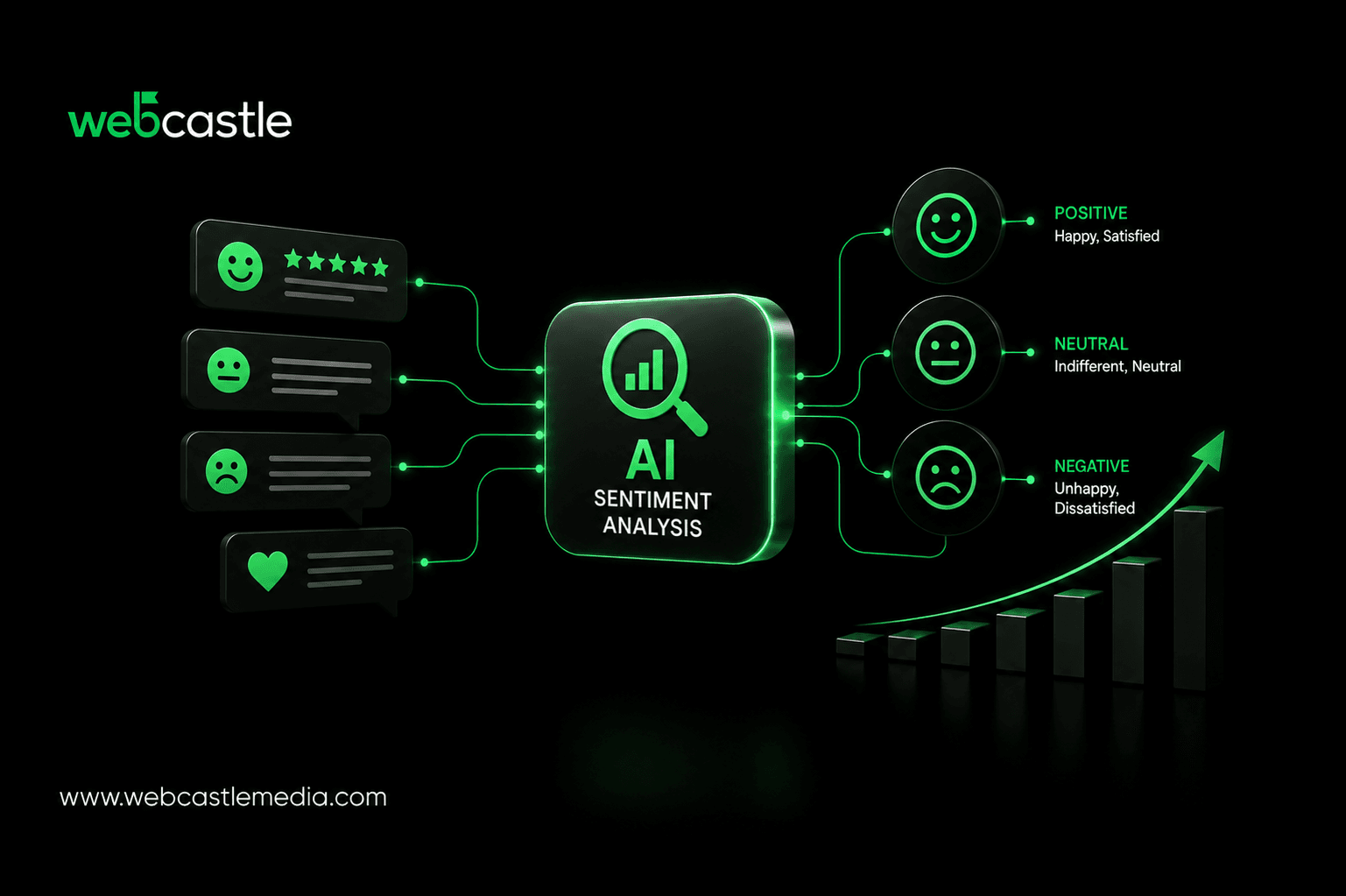
AI chatbots and assistants can answer common questions around the clock, reducing the need for staff to handle the same queries repeatedly. Human agents can focus on complex cases that require personal attention. This can reduce response times and the time spent handling routine support tickets. Sentiment analysis tools can also flag negative customer feedback, helping staff identify and address potential complaints earlier.
Back-office operations
Tasks such as invoice matching, data entry, request routing, and report preparation can often be automated, particularly when they follow clear rules. HR, finance, and operations are useful areas to assess because they often handle large volumes of repetitive work. This makes it easier to measure changes in processing time, error rates, and operating costs.
Effective AI Solutions focus on specific tasks with measurable outcomes. Here is a practical way to get started:
- Select a department that handles a high volume of repetitive tasks.
- Before introducing AI, calculate the cost of completing each task manually.
- Check that the data used by the tool is accurate and up to date.
- Review monthly performance metrics, including processing time, error rates, and total costs.
- Maintain human oversight for tasks involving customers, payments, or important business decisions.
To calculate the cost per task, add the relevant staff costs, software expenses, and the cost of correcting errors. Then divide the total by the number of tasks completed.
Calculate this figure before introducing the tool and repeat the calculation after 30 days. If the cost per task has not decreased, the tool may not be delivering the expected savings. Consider whether adjustments, additional training, or a different solution are needed.
Expand the use of AI to other departments only after the results show measurable benefits in the initial department.
Challenges of Using AI Software to Reduce Business Costs
- Training: Employees need time to learn new tools. Plan training before launch and include those hours in the total implementation cost.
- Limited transparency: Some AI tools provide limited information about how they produce their answers. Ask the vendor what records, explanations, or audit features are available to help your team check the output.
- Changing usage costs: Costs can increase as usage grows or pricing changes. Ask the vendor whether the contract supports usage limits, spending alerts, or a monthly spending cap.
- Low adoption: A tool delivers little value if employees do not use it. Assign an owner to each tool and review adoption and performance every month.
Get Your Systems Ready for AI Software
AI tools depend on the quality and accessibility of the data they receive. For example, if checkout data comes from different systems in inconsistent formats, the tool may require additional integration work to process it correctly. This can increase implementation costs and make the system harder to maintain.
Before introducing AI, review your existing websites, apps, databases, and business systems. Identify data quality issues and integration gaps that could affect the tool's performance. Address these problems before or as part of the AI implementation.
When evaluating potential providers, ask how their solutions will connect your existing systems and ensure that your AI tools can access accurate, consistent data.
Reliable data starts with well-developed websites, apps, and business systems. WebCastle, the best web development company in Qatar, develops websites, mobile apps, and ERP (enterprise resource planning) solutions. The company also offers data automation, marketing automation, and cloud services to support business operations.
Also Read: What is AI Automation and How Does It Help Businesses Grow?
Conclusion
Reducing costs with AI starts with understanding how much a task costs today. Choose one process this week, calculate its current cost, and use that figure as a baseline for a 30-day review.