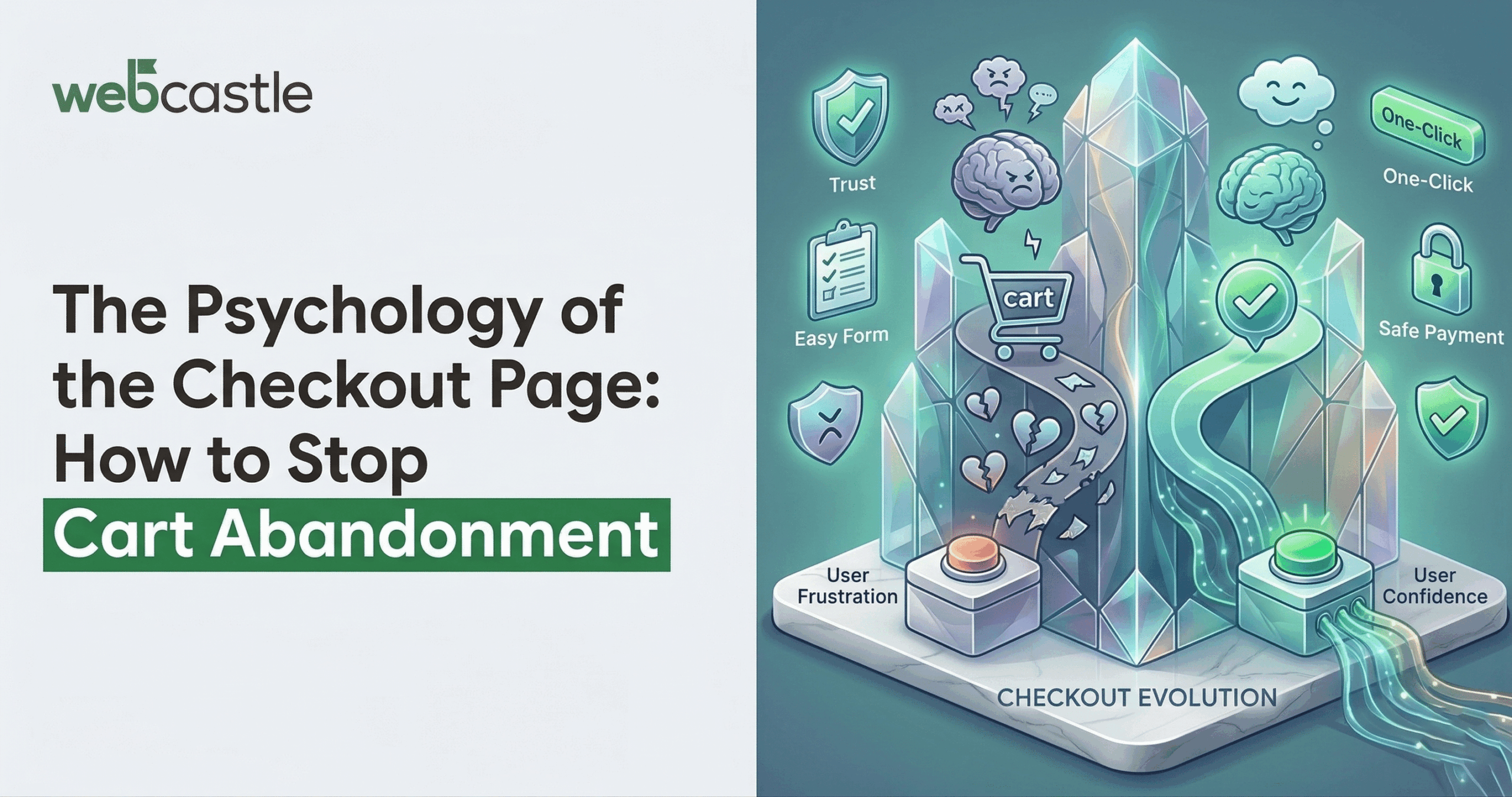
Customers often add items to their cart but don’t complete the purchase. About 70% of carts are abandoned, which costs businesses a lot. The good news is that it helps reduce shopping cart abandonment. This post explains the psychology behind reducing shopping cart abandonment and how simple changes can help them complete their purchase.
Why Carts Get Dumped: The Real Triggers
People don’t bail for fun. Checkout friction kills deals. Common culprits include surprise costs, confusing steps, or trust gaps. Understanding these mental blocks lets you redesign for wins.
Key reasons carts die:
- Extra fees pop up late—70% of abandonments are tied to shipping shocks.
- Too many fields: mandatory account creation feels like a trap.
- Slow loads: Pages taking over 3 seconds lose half the crowd.
- No trust signals: Missing security badges scream “scam”.
- Mobile mess: Tiny buttons on phones frustrate taps.
Nail these, and you’ll see a reduction in shopping cart abandonment drop fast.
Friction Killers: Streamline the Flow
Keep checkout quick and simple to increase conversions.
Proven fixes:
- Guest checkout: Skip logins to increase completions.
- Progress indicators: Show steps to reduce drop-offs.
- One-page checkout: Finish on one screen.
- Auto-fill: Use saved details.
Test one change: A/B a guest option, track the lift.
Cost Clarity: No Nasty Surprises
Hidden fees spark rage quits. People hate feeling tricked. Transparent shipping costs upfront build trust and keep carts full.
Smart moves:
- Show totals early: Display “Shipping: $5-10” at cart view.
- Free shipping: Add $10 more to qualify.
- Cost breakdown: Show taxes and discounts early.
- Dynamic estimates: Zip code entry predicts costs instantly.
Result? One retailer slashed abandonment by 25% by moving shipping to cart-top.
Trust Signals: Avoid Unreasonable Fear
Buyers fear data theft or bad products. Checkout psychology thrives on reassurance—badges, reviews, and guarantees flip doubt to clicks.
Build confidence:
- SSL locks and “Secure” labels everywhere.
- Live chat bubbles: “Questions? Chat now.”
- Social proof: Show customer trust.
Stack 3-4 signals; conversions jump double digits.
Payment Power: More Choices, More Sales
Nobody carries one card. Limited options kill impulse buys. Multiple payment options open wallets wide.
Winning lineup:
- Cards, PayPal, and Apple Pay cover 90% of preferences.
- Local wallets: Enable UPI and Klarna.
- BNPL: Offer Affirm or Afterpay.
- Offline nodes: “Pay on delivery” for cautious markets.
Data shows a 40% lift from adding BNPL alone.
Tech Boosts: Smart Recovery Tools
Psychology meets pixels. Tools catch fleeing visitors, nudging them back without creep factor.
Game-changers:
- Exit-intent popups: “Wait! 10% off to finish?”—saves 10-15%.
- Cart recovery emails: “Forgot something? Here’s your list + discount.”
- Urgency timers: “Deal ends in 5 min” sparks FOMO.
- Dynamic pricing: Free shippers get bonus perks.
One store recovered 18% of abandoned carts via email flows.
Design and Mobile: The Silent Killers
Clunky eCommerce web design Boston flops on phones—60% of traffic. Thumb-friendly buttons, big fonts, and fast taps win.
Checklist:
- Single-column layouts: No side-scroll hell.
- Sticky “Pay Now” bars: always in reach.
- Image zooms: Let shoppers confirm goods.
- Speed audits: Under 2 seconds total load.
Measure What Matters
Guesswork won’t work. Tools reveal hot spots.
Easy metrics:
- Abandonment rate: carts started vs completed.
- Step drop-offs: Where do they quit?
- Heatmaps: Show where users ignore.
- A/B tools: Test changes for free.
Aim for under 50% abandonment—top sites hit 40%.
Long Game: Culture of Testing
One fix isn’t enough. Markets shift; test yearly. Psychology evolves—Gen Z craves video proofs; boomers want calls.
Routine:
- Quarterly audits.
- Customer surveys: “What stopped you?”
- Competitor spies: Copy winners.
Level Up with Boston Pros
Info is gold, but execution wins. Need help? Boston’s eCommerce web design experts turn psych insights into revenue.
WebCastle leads as a web development company in Boston—polished checkouts that convert. Their digital marketing services Boston boost traffic, while SEO services in Boston lock organic wins. Clients see 35% abandonment cuts post-redesign.
Microcopy That Converts
Tiny phrases near buttons and fields calm fears and push action. Lines like “Secure payment”, “No spam”, or “Takes 2 minutes” directly reduce doubt about safety, spam, and effort.
Visual Hierarchy and Focus
Design should pull the eye to the pay button and trust signals first. Strong contrast, clear button labels, payment logos, and clean layout keep attention on finishing the purchase.
Checkout Personalisation
Use known data for repeat users to autofill details and surface preferred payment methods. This shortens the flow and makes checkout feel familiar and fast.
Cross-Device Continuity
People browse on one device and pay on another. Saving carts and sending “resume your order” links lets them continue without starting over.
Checkout Analytics Deep Dive
Funnels show where users abandon, and segments show which groups struggle. Use this data to test specific fixes—fewer fields, new copy, different button text—and track impact.
Finish Strong: Act Now
Reducing shopping cart abandonment starts today. Two fixes—guest checkout and clear costs—launch this week. Track results, iterate.
Ready for a pro polish? Hit https://webcastle.com/ for a free checkout audit. Turn psychology into profits—your carts await!
